By Rachel M. · Updated 2026-07-01 · 14 min read

Why Most People Struggle with The Self Sufficient Backyard
The core promise of *The Self Sufficient Backyard* is compelling: one comprehensive resource that takes you from suburban lawn to self-reliant homestead. The reality for many buyers is confusion about where to start, scaled-up projects that demand more time than expected, and advice that doesn't translate well to their specific climate. This isn't because the material is bad. It's because success depends on how you interpret and prioritize the information. Let's look at the three most common mistakes.Mistake 1: Trying to do everything at once
A typical beginner reads *The Self Sufficient Backyard* and immediately wants to install solar panels, build raised beds, start a worm farm, and keep bees — all in one season. That's a recipe for burnout. The guide covers dozens of systems, but it was designed to be used as a reference, not a checklist. Experienced users pick exactly one project for a three-month period and master it before moving on.Mistake 2: Ignoring site-specific adaptation
*The Self Sufficient Backyard* offers general principles that work well in temperate climates with decent soil. If you live in the desert Southwest, a rainy Pacific Northwest region, or a dense urban lot, the default recommendations for garden layout, watering schedules, and livestock breeds need adjustment. Blindly following generic instructions leads to failure — and then people blame the book.Mistake 3: Underestimating the learning curve for each skill
The guide condenses complex topics like soil microbiology, solar battery sizing, and animal husbandry into digestible chapters. But reading about how to test soil pH is not the same as doing it. Many beginners assume that because the instructions seem simple, execution will be equally easy. Every skill — from composting to wiring a solar charge controller — requires hands-on trial and error that a book cannot replace.Why the Usual Solutions Don't Work
Related Reading: Endopeak Reviews: Honest Review of What You Actually Get
When your first attempt fails, common advice recommends "just try harder" or "spend more money." Neither addresses the root issue. Spending more on premium seeds, fancy tools, or expensive irrigation kits doesn't fix the fact that you're attempting too many projects at once. Trying harder without a structured plan just burns through motivation faster. The real solution is to restructure your approach — not to double down on the same flawed strategy. Even many *self sufficient backyard book review* articles gloss over these structural problems. They list features — "covers 50 topics!" — without explaining how an ordinary person with a full-time job is supposed to implement them. That gap between information and practical application is where most people get stuck.What Experienced Users Do Differently
People who successfully use *The Self Sufficient Backyard* share three habits: First, they treat the guide as a diagnostic tool. When something goes wrong — a failing garden patch, a sick chicken, a dead battery — they consult the relevant chapter. They don't read the whole book from cover to cover before touching dirt. Second, they run small pilot projects. Instead of building a 4x8-foot raised bed garden, an experienced user starts with a single 3x3-foot bed. Instead of buying ten chickens, they start with two hens. This shrinks the learning curve and reduces costly mistakes. Third, they join local communities. The guide provides general knowledge, but local gardening clubs, county extension offices, and regional homesteading Facebook groups fill in the climate-specific and soil-specific details that *The Self Sufficient Backyard* cannot cover.Step-by-Step Solution: How to Actually Make The Self Sufficient Backyard Work
Related Reading: Free Fire Free Diamonds — What a 30-Day Test Actually Taught Me
Follow these eight steps in order. Do not skip ahead. Step 1: Read only the introduction and table of contents. Spend 20 minutes understanding what the guide covers. Mark three sections that interest you most. Put the book down. Step 2: Choose exactly one project for your first season. If you live in a moderate climate, start with a small vegetable garden. If you're in a dry climate, begin with rainwater collection and a single raised bed. If you have zero outdoor space, start with container gardening on a balcony or indoor herbs under a grow light. Step 3: Gather only the materials for that one project. Refer to the relevant pages in *The Self Sufficient Backyard* for your chosen project. Make a specific list — e.g., "two 8-foot cedar boards, one bag of organic potting mix, seeds for tomatoes and basil, drip irrigation kit." Avoid buying extra supplies for other projects. Step 4: Set a realistic timeline. Block out three weekends for setup, then 15 minutes daily for maintenance. If you cannot commit that time, scale down further. A single tomato plant in a five-gallon bucket is a victory if you actually stick with it. Step 5: Execute the setup phase. Follow the instructions in *The Self Sufficient Backyard* closely for this single project. Take notes on what goes differently than expected. Use the guide's troubleshooting section if problems arise. Step 6: Document everything. Take photos weekly. Write down what you planted, when you watered, what pests appeared. This record becomes your personalized reference that is more valuable than any book. Step 7: Complete one full cycle before expanding. Do not start a second project until you have harvested at least one crop or your first system has run for three months without major issues. Mastery comes from completing cycles, not from reading additional chapters. Step 8: Add one new project per season. Next season, choose a second project from *The Self Sufficient Backyard* — perhaps a small chicken coop or a composting system. Layer skills gradually. After two years, you'll have three or four reliable systems running simultaneously.Realistic Results to Expect
In your first season with this method, expect: - A small but consistent harvest from one raised bed or container setup - Basic familiarity with soil preparation, watering schedules, and pest management - Confidence to tackle a second project next season In your second year: - Two or three functional systems (likely garden plus composting plus rainwater collection) - Weekly fresh produce for part of the growing season - Reduced reliance on store-bought vegetables during peak harvest months By year three: - Management of four to six systems with minimal daily effort - Ability to troubleshoot most problems without consulting the guide - Tangible monthly savings on groceries and utility costs This is not "homesteading in three months." It is steady, sustainable progress that will not burn you out.Pitfalls to Avoid
Related Reading: Best IPTV Service Compared: Which Should You Choose?
Even with the right approach, certain mistakes will sabotage your results. Watch for these: Perfectionism. Your first raised bed will have crooked corners. Your first chicken will escape. That is fine. The goal is function, not a magazine photo. Over-optimization. Do not spend your entire budget on automated irrigation, fancy soil amendments, or premium tools before you know what works. Use basic equipment initially. Upgrade after you have proven the system. Comparison with others. Social media homesteaders often have years of experience, paid teams, or purchased aesthetics. Your journey is yours. Measure progress against your own past results, not someone else's highlight reel. Spring fever overscoping. Every March, you will be tempted to double your garden. Resist. Add scale only after you have maintained the current size for one full season.What Works vs. What Doesn't: A Direct Comparison
| Approach | What Usually Happens | Why It Fails or Works |
|---|---|---|
| Reading cover to cover before starting | Information overload, no action taken for months | ✗ Fails — paralysis by analysis |
| Starting one small project per season | Steady progress, manageable learning curve | ✓ Works — builds momentum |
| Buying premium tools upfront | Expensive equipment sits unused after projects fail | ✗ Fails — wasted capital |
| Starting with basic tools, upgrading later | Low financial risk, informed purchases after experience | ✓ Works — efficient resource use |
| Ignoring local climate and soil | Plants die, systems underperform | ✗ Fails — one-size-fits-all advice |
| Adapting guide recommendations to your region | Higher success rate, fewer failures | ✓ Works — localized knowledge wins |
| Jumping into five projects at once | Burnout within 2 months, all systems abandoned | ✗ Fails — unsustainable scope |
| Adding one new system per season | Sustainable expansion, deep skill development | ✓ Works — compound growth |
This structured approach works for thousands of readers. If you are looking for a clear starting point, The Self Sufficient Backyard provides the framework you need.
Check out The Self Sufficient Backyard →Pros and Cons of The Self Sufficient Backyard
✓ Pros
Covers over 50 self-sufficiency topics in one resource
Step-by-step instructions with clear diagrams
Includes both food growing and small-scale energy systems
Suitable for absolute beginners with low prior knowledge
Digital format available for quick reference on mobile
✗ Cons
Limited region-specific advice for extreme climates
Easy to overwhelm beginners who try everything at once
Some equipment recommendations are overkill for small spaces
Print version is dense — can feel like a textbook
No built-in community support or local resource links
Resource mentioned in this article
The Self Sufficient Backyard
Usage guide and pricing — see what real buyers say before you invest.
See The Self Sufficient Backyard options →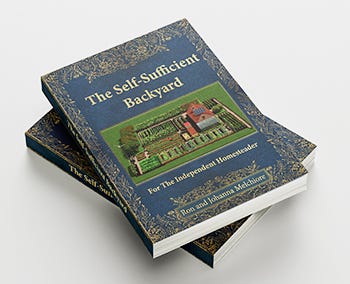
How to Get the Most Out of The Self Sufficient Backyard
Here are five advanced tips from longtime users: 1. Use the index extensively. The guide has a detailed index. When a problem arises — "why are my tomatoes cracking?" — look it up directly rather than scanning chapters. This turns the book into a problem-solving tool. 2. Pair it with local extension office resources. Your county's agricultural extension office offers soil testing, planting calendars specific to your frost dates, and pest identification services. Use these to customize the general advice in *The Self Sufficient Backyard*. 3. Start a small notebook or digital log. Record what you plant, what works, what fails, and what you change each season. Over two years, this log becomes more valuable than any book because it is tailored to your specific location and habits. 4. Join an online community around the guide. Search for "The Self Sufficient Backyard Facebook group" or "The Self Sufficient Backyard Reddit." These spaces share real-world adaptations and troubleshooting advice that the book cannot provide. 5. Re-read relevant chapters each season. Before spring planting, re-read the gardening chapter. Before winter, re-read food preservation and energy backup sections. This reinforces knowledge and reminds you of details you forgot.Is The Self Sufficient Backyard Worth It?
If you want a single comprehensive reference that covers the major systems of a self-sufficient home, yes — it is absolutely worth it. The value comes from having everything in one place, with enough depth to get started and enough breadth to keep you going through multiple seasons. However, it will not automatically transform your backyard. You still have to put in the work, adapt the advice to your situation, and go through the learning curve that every new skill demands. The guide shortens that curve; it does not eliminate it. For the price, it saves hours of scattered internet searching and provides a proven structure that works when you follow it correctly.
Final Recommendation
*The Self Sufficient Backyard* is a powerful tool when used correctly. The key is to treat it as a reference that you consult project by project, not a novel you read once and expect to retain. Start small. Document everything. Add one system per season. Join a community for local advice. And most importantly, give yourself permission to fail in small ways so you can learn without burning out. If you are still on the fence, consider this: most people who abandon their homesteading dreams do so because they tried too much too fast. The people who succeed are the ones who started with a single raised bed, a handful of seeds, and the patience to grow their skills at nature's pace.Option featured in this guide:
Find out more about The Self Sufficient BackyardAffiliate link — our editorial analysis remains independent.
Frequently Asked Questions
This article contains affiliate links. Our editorial analysis remains independent. Information provided is for educational purposes and does not guarantee specific results.