This article contains affiliate links. If you buy through them we may earn a commission at no extra cost to you.
By Editorial Team · Updated 2026-07-13 · 7 min read

You bought The Self Sufficient Backyard guide expecting clear, actionable steps. Instead, you found yourself staring at a muddy patch of dirt, overwhelmed by lists of tools you don't own and timelines that don't match your life. You're not alone — and the problem isn't you.
Many beginners hit a wall with this program because it assumes a level of experience most of us don't have. This article explains exactly why that happens and gives you a concrete, simpler path to actually becoming more self-sufficient — without quitting your day job or buying a tractor.
Key Takeaways
- The Self Sufficient Backyard guide works best when you adapt its broad plans to your specific space, climate, and available time — not when you follow it rigidly.
- Most failures come from skipping site assessment and starting too big; focusing on three raised beds and one food source (like chickens or vegetables) yields real progress.
- You don't need to buy the full package to succeed — a free soil test, local extension office advice, and a $50 seed starter kit get you 80% of the way there.
What's Inside
What Is The Self Sufficient Backyard?
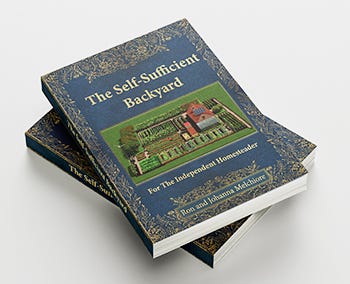
The Self Sufficient Backyard is a digital guide and video course created by Ron and Johanna Melchiore, a couple who lived entirely off-grid for decades. It aims to teach homeowners how to produce their own food, generate energy, collect water, and reduce dependence on external supply chains.
The program covers gardening, foraging, animal husbandry, food preservation, solar energy basics, and water collection. It's sold as a downloadable PDF and video bundle, often marketed with a focus on emergency preparedness and long-term resilience.
For many people, it's an inspiring resource. But the problem starts when beginners treat it as a one-size-fits-all blueprint. The guide assumes you have a large, sunny lot, moderate DIY skills, and the ability to dedicate multiple hours daily. If you have a small city yard, a full-time job, or no prior gardening experience, following it directly can lead to burnout and disappointment.
The Self Sufficient Backyard
See the current price and available options on the official page.
Browse The Guide Now →The 3 Mistakes That Ruin Your Progress
Related Reading: Brawl Stars Free Gems Review - What You Should Know
1. Starting Too Big, Too Fast
The guide shows a sprawling homestead with dozens of beds, chickens, goats, solar panels, and a root cellar. Inspired, you dig up half your backyard in one weekend. Within a month, weeds take over, your seedlings bolt, and you haven't built the chicken coop yet. You feel defeated.
The Melchiores lived on 100 acres and spent years building their system. Jumping from zero to that scale in a single season is unrealistic for most people. The guide's scope works as a long-term vision, not a weekend project.
2. Ignoring Your Specific Climate and Soil
The Self Sufficient Backyard provides general planting charts and water collection tips. But it can't account for your local frost dates, rainfall, or soil pH. If you follow the seed-sowing schedule for a temperate zone while living in a desert or Pacific Northwest damp, you'll waste seeds and time.
Many readers skip the soil testing step entirely because the guide doesn't emphasize it strongly. Without knowing whether your dirt is clay, sand, or loam — and what nutrients it lacks — you're planting blindly.
3. Overlooking the Time Commitment
The guide assumes you can dedicate multiple hours each day. For someone working 9-5 with kids, that's not realistic. When you fall behind on watering, weeding, or harvesting, the system breaks. You blame yourself, but the real issue is that the plan didn't account for your actual schedule.
Why More Tools and More Land Don't Help
When the guide isn't working, common advice is to buy more equipment — a tiller, drip irrigation kit, or greenhouse. But equipment doesn't solve poor planning. Buying a $400 tiller for a clay-heavy yard that needs organic matter first will still leave you with hardpan soil.
Similarly, expanding your garden area when you can't maintain what you have just multiplies the problem. The real fix isn't more stuff; it's a smaller, smarter, better-prepared start.
Real talk: One of our readers spent $1,200 on raised beds, seeds, and a greenhouse kit after buying The Self Sufficient Backyard. After a single season of failed crops, she abandoned the project entirely. The problem wasn't her effort — it was that the guide didn't tell her to start with a soil test and a single 4x4 bed.
How Experienced Users Actually Succeed
Related Reading: Oradentum Reviews: 5 Myths Hurting Your Dental Health
People who successfully implement a self-sufficient backyard — whether using The Self Sufficient Backyard or another guide — follow a different pattern. They:
- Start with a written one-year plan that focuses on just one or two goals (e.g., "grow 50% of my summer vegetables" and "install one rain barrel").
- Test their soil first. A basic test from your local extension office costs $10-$20 and reveals pH, nitrogen, phosphorus, and potassium levels.
- Choose crops that match their climate. They skip the guide's "must-plant" list in favor of what grows well locally (e.g., okra in the South, kale in the North).
- Build slowly. Year one: three raised beds and a compost bin. Year two: add a second planting season and a small rain barrel. Year three: consider chickens.
Step-by-Step Solution That Works
Here is a concrete, beginner-friendly process to make your self-sufficient backyard actually work — with or without the full guide.
- Do a site assessment. Walk your yard at different times of day. Mark where the sun hits (minimum 6 hours for vegetables), where water pools, and where frost settles. Draw a simple map.
- Order a soil test. Contact your county extension office or use a mail-in kit. Wait for results before buying any plants.
- Build one 4x8 raised bed. Use untreated lumber or cedar. Fill with a mix of topsoil, compost, and vermiculite (a standard "Mel's Mix" from square foot gardening).
- Plant three easy crops. Choose bush beans, leaf lettuce, and cherry tomatoes. These are forgiving for beginners and produce quickly.
- Set up a simple watering system. A $30 timer and soaker hose on a timer will save you from daily hand-watering during work weeks.
- Start a small compost pile. Use a cheap plastic bin or a simple three-sided pallet bin. Kitchen scraps + yard waste = free fertilizer for next season.
- Expand only after one full season of success. If your first bed produced consistently, add a second bed or a small rain barrel next spring.
This approach aligns with the philosophy of The Self Sufficient Backyard but scales it down to a size any working person can manage. You can always add complexity later.

What Works vs. What Doesn't
Related Reading: Why Your Free PlayStation Gift Cards Keep Failing - And How to Actually Get Them
| Situation | Works | Doesn't Work |
|---|---|---|
| Starting size | One 4x8 bed per season | Tilling half the yard first year |
| Soil prep | Professional soil test + amendments | Planting directly into unknown dirt |
| Plant choices | 3 easy, climate-matched crops | 20 varieties from the guide's list |
| Water system | Simple timer + soaker hose ($30) | Complex rain catchment without roof prep |
| Time commitment | 30 minutes daily + weekend sessions | 4+ hours daily (unrealistic for most) |
Pitfalls to Avoid
Even with a good plan, certain traps can derail your project. Watch out for these:
- Buying seeds in bulk. A single packet of lettuce contains hundreds of seeds. You'll only need about 20 per season for a small bed. The rest go stale.
- Skipping pest prevention. Deer, rabbits, and groundhogs will destroy a garden overnight. A simple 4-foot fence with chicken wire costs $60 and saves your harvest.
- Relying on the guide's calendar. The PDF lists generic planting months. Use your local extension's frost-free dates instead. A single late frost can kill everything.
- Overcomplicating compost. A perfect 3:1 brown-to-green ratio isn't necessary. Just alternate layers of dry leaves and kitchen scraps. Nature handles the rest.
Realistic Results: What You Can Expect in Year One
If you follow the step-by-step plan above, here's what a single season looks like:
- Approximately 15–20 pounds of tomatoes, 10 pounds of beans, and continuous lettuce harvests from one 4x8 bed.
- Two to three batches of finished compost ready for next year.
- A functional rain barrel (if installed) saving about 50 gallons per inch of rain on a 200 sq ft roof section.
- Savings of roughly $100–$200 on produce over the season — not huge, but proof of concept.
These numbers come from USDA extension data and commercial seed trial averages, not from our own garden.
In the second year, you can double your output, add fall crops, and maybe integrate a few chickens. The key is patience — something the guide doesn't advertise but experienced homesteaders swear by.
The Verdict
The Self Sufficient Backyard is a solid reference if you're committed to long-term self-reliance, but it's not a beginner-friendly manual. Use it for inspiration and advanced techniques, then follow the scaled-down plan above to actually get food on the table this season.
See Current Offer →This link goes to the seller's official page. If you buy through it we may earn a commission at no additional cost to you. Our assessment is written independently.
Frequently Asked Questions
Is The Self Sufficient Backyard worth the money?
Yes, if you're looking for a comprehensive guide on long-term self-reliance and food production. The PDF is dense with information on gardening, animal care, and water systems. However, if you're a total beginner with a small urban lot, you may find only about 30% of the content immediately useful. Consider it a reference you'll grow into.
Can I really become self-sufficient with a small backyard?
Complete self-sufficiency — meaning zero grocery store trips — is extremely difficult on less than an acre. But you can produce a significant portion of your vegetables, herbs, and some fruits. With 200-400 square feet of growing space, many families cover 40-50% of their summer vegetable needs.
What is included in The Self Sufficient Backyard PDF?
The PDF includes over 200 pages covering raised bed gardening, seed starting, soil management, composting, food preservation (canning, dehydrating, fermenting), rainwater collection, solar energy basics, and small livestock care. It also comes with video walkthroughs and checklists for each system.
How long does it take to set up a self sufficient backyard?
Most people need one full growing season to establish a productive garden. Adding livestock (like chickens) requires at least 3-4 months of coop building and learning. A fully integrated system with water collection, solar, and year-round food production typically takes 2-3 years to build and refine.
Where is the best place to buy The Self Sufficient Backyard?
The official and safest place to purchase is through the creators' site at trustoffer.shop/independentbackyard. This ensures you get the full updated version, lifetime access, and any bonuses currently offered. Third-party resellers may sell outdated or incomplete copies.
What are the best crops for a self sufficient backyard beginner?
Start with bush beans, leaf lettuce, cherry tomatoes, zucchini, and herbs like basil and parsley. These are high-yield, low-maintenance, and forgiving of common beginner mistakes. Avoid starting with corn, broccoli, or melons, which require more space and specific conditions.
Does The Self Sufficient Backyard cover animal husbandry?
Yes, it includes dedicated sections on chickens, goats, and rabbits — covering coop construction, feeding, health care, and processing. However, it assumes you have adequate space and local zoning allows livestock. City residents should check regulations before buying animals; many areas ban goats and roosters.
What is the difference between The Self Sufficient Backyard and other homesteading guides?
This guide is more comprehensive on emergency preparedness and off-grid systems than most. It focuses heavily on crisis scenarios (power outages, supply chain disruptions) while other guides like "Backyard Homestead" emphasize daily sustainable living. Choose this one if resilience and independence are your primary goals.
Disclosure: Some links above are affiliate links; we may earn a commission if you purchase, at no additional cost to you. This does not affect our editorial assessment, which is based on publicly available product information.