By Jamie R. · Updated 2026-07-01 · 9 min read

Establishing a self-sufficient backyard can be a fulfilling venture, yet many individuals find themselves frustrated by unexpected challenges. Whether you're dealing with pests, inadequate yields, or poor planning, these obstacles can dampen your enthusiasm. Understanding these issues is crucial before beginning your journey to self-sufficiency.
Common mistakes often lead to failure in this endeavor, including overestimating space requirements, neglecting soil health, and a lack of diversified crops. This article will delve into these common pitfalls while offering solutions to successfully create your thriving self-sufficient garden.
Common Mistakes in The Self Sufficient Backyard
- Overlooking Soil Health: Ignoring the condition of your soil can lead to poor crop yields.
- Lack of Planning: Failing to create a strategic plan can result in wasted resources and ineffective planting.
- Insufficient Diversity: Planting only a few types of crops can increase the risk of total crop failure due to pests or disease.
Why Typical Solutions Fail
Many novice gardeners turn to common online solutions that promise quick fixes, but these often neglect the specific conditions of their unique yards. Weather, local pests, and soil types can vary greatly, which impacts how effective these generic solutions will be. Additionally, resources may be oversold without considering practical long-term implications, leading to disappointment.
What Experienced Users Do Differently
Related Reading: Essential Guide to Buying IPTV Subscription Cheap
Successful backyard gardeners emphasize adaptability and resilience. They continuously learn about plants, soil health, and sustainable practices. Regularly testing soil quality, rotating crops, and maintaining biodiversity are just a few practices that set seasoned gardeners apart. Additionally, they use local resources like gardening clubs or extension services to tailor their approach.
Step-by-Step Solution to Create a Self Sufficient Backyard
- Assess Your Space: Understand the size, sunlight, and soil conditions of your yard.
- Enrich Your Soil: Test your soil and consider adding organic matter or fertilizers as needed.
- Plan Your Garden: Select a variety of crops that complement each other and vary in growing time.
- Implement Crop Rotation: Change the location of plants yearly to prevent soil depletion and pest buildup.
- Maintain Biodiversity: Incorporate companion planting to naturally deter pests and encourage healthy growth.
Realistic Results to Expect
After implementing these steps, expect gradual improvements in your garden's productivity. While not every plant may thrive at first, with time you will build a healthier patch that offers vegetables, herbs, and potentially fruit, leading to a more sustainable lifestyle.
Pitfalls to Avoid
Related Reading: Best IPTV Subscription Case Study - Real User Experience
- Rushing to plant too soon in the season without proper preparation.
- Focusing too narrowly on produce at the expense of soil and ecosystem health.
- Neglecting pest management or relying solely on chemical solutions.
| Criteria | What Works | What Doesn't |
|---|---|---|
| Soil Health | Organic matter and crop rotation | Ignoring soil testing |
| Pest Control | Companion planting | Relying solely on chemical sprays |
| Plant Selection | Diverse crop rotation | Overseeding single crop types |
✓ Pros
Increased independence from grocery stores.
Opportunity for healthier eating.
✗ Cons
Requires significant upfront time and effort.
Factors outside your control (weather, pests).
Resource mentioned in this article
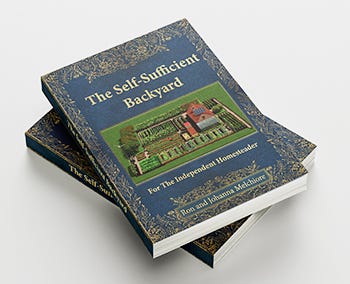
The Self Sufficient Backyard
Independent review and details
Find out more about The Self Sufficient Backyard →
Frequently Asked Questions
This article contains affiliate links. Our editorial analysis remains independent.